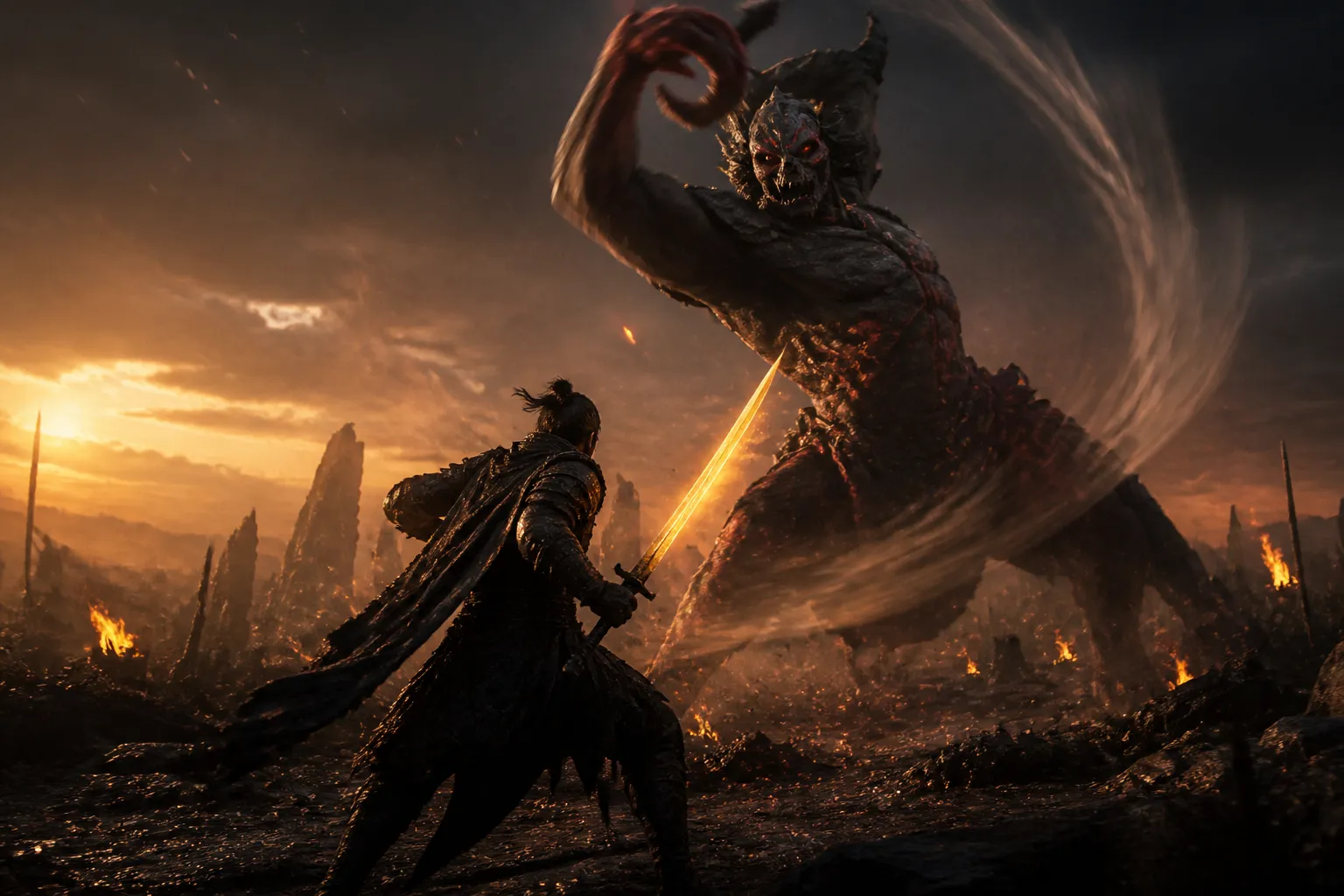
The turn ends, the enemy moves, and your thumb is already choosing: dodge, or parry? In Clair Obscur: Expedition 33, that choice happens inside a turn-based fight. You are not only reading an attack from a menu. You are watching its windup, listening for its cue, and pressing a defense button in real time. The safest habit is to dodge while a move is still unfamiliar. Parry when you can read the whole beat, not just the first swing.
Start with the move you can afford to learn
A dodge is the forgiving entry point. Press it as the enemy is about to connect. On PS5, that is Circle; on Xbox, B; on PC, Q. A successful dodge displays “EVADE,” and a last-moment dodge can register as “PERFECT.” That gives you a clear signal to work with while you learn an enemy’s rhythm. Dexerto and AUTOMATON WEST both recommend using dodges to get familiar with timings before leaning on parries.
Think of the first attempts as a short session log. Enemy steps forward. You dodge. The attack passes. Next attempt, wait a fraction longer and see whether the signal changes. There is no need to turn every early fight into a parry test. The prologue offers practice in the duel with Maelle or the dodging dance with Sophie, where you can feel the timing without real consequences.

Parry the rhythm, not the first feint
Parry has a tighter window, and a miss can leave you taking the rest of an enemy’s combo. The default parry key is E on PC. A successful parry shows “PARRIED” and prevents damage. Its timing overlaps with a Perfect Dodge, so you are choosing between two defenses at nearly the same moment. The difference is what each choice asks from you: a dodge asks you to get clear; a parry asks you to meet the attack precisely.
Watch the enemy’s body and listen. Many parry cues sound like metal striking metal, but a feint can make the first motion misleading. If the enemy pulls back or holds the attack, do not let the apparent windup make the decision for you. Track when the hit actually arrives. Beebom notes that enemy audio cues can mark the moment an attack enters dodge or parry range, while AUTOMATON WEST also warns that feints can throw off a parry.
That is the useful line between the two defenses. Dodge when you have not yet learned whether the shoulder twitch is real. Parry when you know which motion is the actual strike and can hold your input until that point. A metal cue you have heard several times is a better invitation than a dramatic animation you have only seen once.
Combos change the cost of a miss
A single heavy attack is often a clean reason to dodge. You avoid the blow without taking the tighter parry gamble. A combo is different. It asks you to stay attentive through each hit, and a missed parry can let the enemy finish the sequence or add extra attacks, depending on that enemy. Early opponents tend to have one or two attacks in a combo. Later fights can ask you to read longer strings.
Do not treat a combo as one long button press. Watch each hit land, then answer the next one. If the pattern is still unclear, dodge the dangerous beat and keep the next attempt for learning. If the rhythm is familiar, parry can turn defense into offense: a successful parry gives you one AP, and a parry at the last moment of its window triggers a counterattack. That counter can interrupt an enemy combo midway.
There is also a useful exception when a multi-hit combo targets the whole party. Parrying its final hit still gives a counterattack. So if the opening swings feel too risky, you can choose to survive those beats and focus on the ending. That is not a universal boss script, but it is a reason to keep watching after the first attack rather than mentally writing off the whole sequence.
Spend the counter when the timing is yours
The reward is not only the damage from a counterattack. Counters count as hits for breaking shields and for raising Gustave’s Overcharge count. A parry can therefore give the party a safer turn and help build toward a stronger response. That reward matters most when you can repeat the timing, not when you are guessing and hoping the enemy cooperates.
Dodges do not grant extra AP by default. A Picto called Dodger is an exception, though the available guidance does not spell out its effect in detail. Keep the choice simple unless you have equipped something that changes it: dodge to protect a shaky read, parry to earn AP and look for a counter when the sequence is known. Jump dodges are a separate cue. Wait for the golden sign on screen, then jump to evade.
Every dodgeable attack can also be parried, but that does not make the two options interchangeable in practice. The attack’s shape, the number of hits left, and your confidence in the audio and animation all matter. In a messy first encounter, dodge. In a repeat encounter where the enemy’s feint no longer catches you, try the parry and see whether the counter opens the next turn.
One more attempt, one cleaner read
The controller lesson is small and specific. Do not press because the enemy has started moving. Press because you recognize the moment the attack becomes real. If the cue is uncertain, use the forgiving defense and keep the fight under control. If the cue is familiar, let the parry window do more than prevent damage. It can give AP, interrupt a combo, and set up a counter.
After a fight, remember one detail rather than the whole animation: the metal sound before the third hit, the feint that delayed the swing, or the final strike that you can safely parry next time. Then ask yourself: was that combo one you had learned, or one you were still trying to survive?
Dexerto’s defense guide, AUTOMATON WEST’s timing tips, and Beebom’s control overview cover the basic inputs and cues.
Sources

He is a house writer for GamesUnlimited. He covers co-op campaigns, controller design, and player rituals through reports from launch nights and living rooms.