The Japan setting teased by a leaked Forza Horizon 6 advertisement has an opportunity beyond fresh scenery: it could make collecting cars feel like a series of choices about where and how to drive. That remains a design possibility, not a confirmed feature. But Japan’s sharply different road types give Playground Games a useful test: does a new car open up a new way to read the map, or just add another number to the garage?
The leak is a signal, not a finished map
Windows Central reported that an Instagram advertisement appeared to confirm Japan as the setting. The report landed amid existing speculation about the game. A promotional image can point toward a location and establish a mood, but it cannot tell us how much of the country the game will represent, how its routes connect, or what players will do between races.
That distinction matters because the setting’s value depends on its use. A city skyline and a mountain road can sell a trailer in seconds. The harder work is turning those places into a route network with distinct driving demands. If the map compresses every environment into broad, high-speed roads, Japan becomes a visual theme. If the road types change how players approach a car, the setting can shape the collection loop itself.
So the leak is best treated as a useful prompt rather than proof of a particular design. It raises the right question for a series built around cars, races, and rewards: what does the world make each new vehicle worth?
Tokyo Game Show can confirm the premise, not the systems
Reports from Push Square and Pure Xbox described a possible Tokyo Game Show reveal, citing the wider reporting and rumor cycle. A reveal at a Japanese event would make obvious promotional sense. It would also give Playground a stage to establish whether its pitch is mainly about spectacle or about how Japanese roads shape play.
A trailer can show neon streets, a mountain pass, or a car drifting through a corner. It cannot demonstrate whether those settings support different kinds of progression. The useful evidence would be a glimpse of how a player moves from one kind of road to another, and what a new car lets them do there. Until the game and its systems are formally shown, claims about the map or its economy should stay conditional.
That is also a fair standard for the marketing. Japan carries strong expectations among racing fans, and a location reveal can create excitement before the game has explained what the location changes. The reveal should start the conversation, not settle it.
Road variety can give a car purchase a job
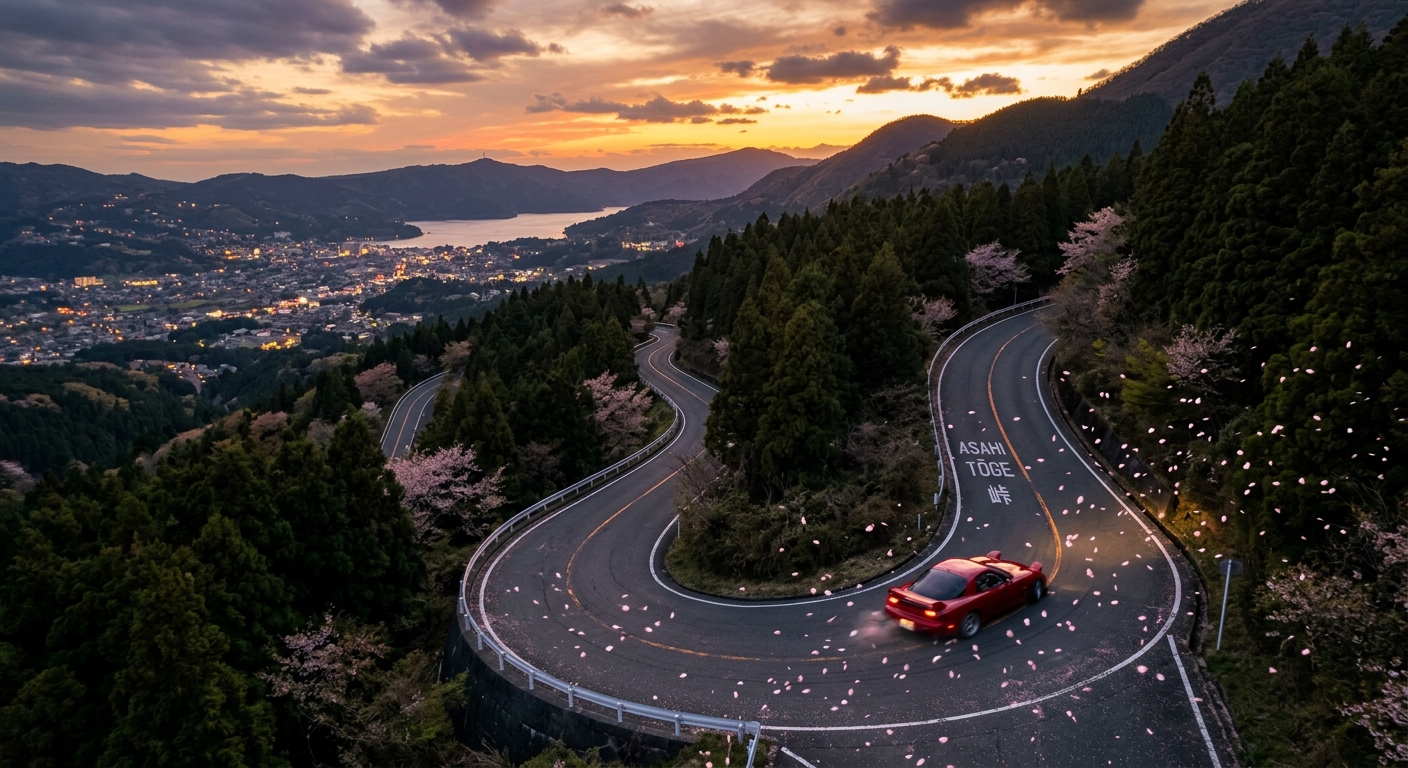
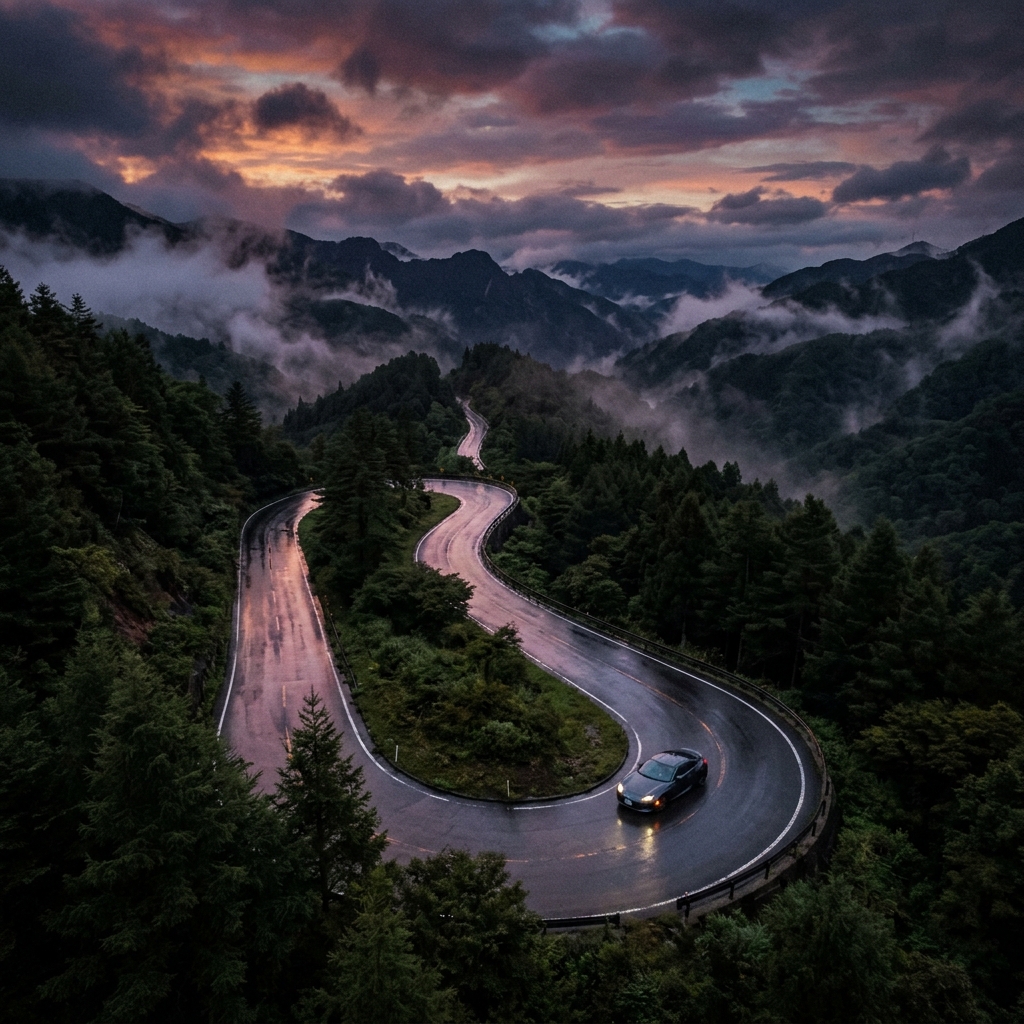
Forza Horizon’s collection loop works best when a car is more than a reward screen entry. A new vehicle should offer a reason to revisit the world: a different pace, a different handling problem, or a route that suits its strengths. Japan offers a compelling range for that design, from narrow urban streets and busy expressways to winding mountain roads and open coastal stretches. The range only matters, though, if the game makes those roads feel mechanically distinct.
Consider a player saving credits for a Honda NSX Type R. If the purchase lets them tackle a tight, technical climb with more confidence than their existing cars, the expense has a clear consequence. The player has not just added a prized model to a collection. They have acquired a new tool for a specific part of the map. A small kei car could serve a different purpose on narrow streets, while a high-powered GT car might be a better fit for longer routes.
This is how geography can support the economy without replacing it. Credits still set a price, and progression still provides reasons to race. But a varied road network gives players a way to judge the purchase beyond rarity or top speed. If several cars handle every route in roughly the same way, collecting more becomes an accumulation task. If each choice changes which roads are enjoyable or manageable, the garage becomes a record of the player’s decisions.
The map has to connect its car culture to play
Japan is closely associated with tuner culture and with cars such as the Toyota Supra, Nissan Skyline GT-R, and Mazda rotary models. That history gives the setting a natural connection to the machines many players want to collect. Still, familiar badges cannot carry the whole experience. The game needs to let the culture appear in the way cars are built, driven, and used across the map, not only in promotional imagery or a lineup of famous models.
That means the progression should leave room for different motivations. One player may want to tune a car for a mountain route. Another may care about restoring a favorite model or trying a specific drivetrain on city roads. A collection system that offers several routes to satisfaction can make the garage feel personal, while a system that funnels everyone toward the same high-performance purchases risks flattening that variety.
The same principle applies to rewards. If events, challenges, or discoveries point players toward different road types, the world can introduce cars through use rather than treating every unlock as a detached prize. The next purchase then has context: it answers a need the player encountered while driving. That connection is what could make earning a car feel like progress through a place rather than simply progress through a menu.
The test is what the setting changes
Authenticity is a systems constraint
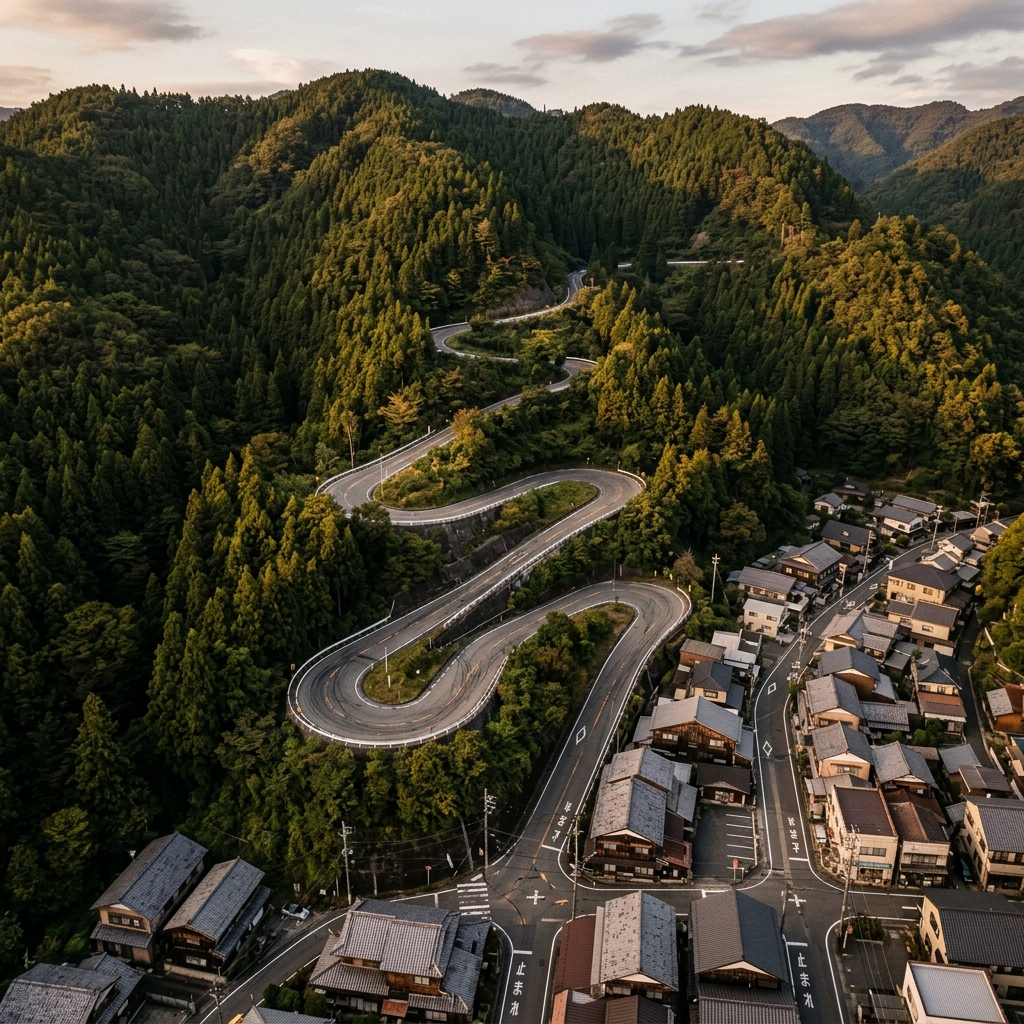
A Japan setting also raises the cost of generic world design. Players may arrive with strong ideas about Japanese roads from games, film, and travel. A convincing map does not need to reproduce the country at full scale, but it should make its regions feel connected and its roads purposeful. A mountain pass should not be a decorative shortcut to another festival site. Its turns, elevation changes, and visibility should create a driving challenge that a flatter route does not.
Weather can reinforce those differences. Coastal fog, mountain snow, and clear autumn light suggest conditions that could change visibility and grip, but dramatic effects alone are not enough. They need to matter to route choice. If a player can select a more suitable car or adjust a tune before taking a snowy climb, weather becomes part of the decision loop. If it only changes the screen, it is atmosphere without consequence.
There is a related risk in making every location serve the same festival energy. Horizon’s accessible spectacle is central to the series, but regional character needs space alongside it. The answer is not to make the game solemn. It is to let quieter roads, local events, and focused driving challenges coexist with the big set pieces, so the map has more than one tempo.
Earned means the road remembers the choice
Japan can make Forza Horizon 6’s car collection feel more deliberate if the game connects vehicle strengths to the routes players actually travel. That requires more than recognizable scenery and a deep roster. It requires road variety that changes driving, progression that exposes players to those differences, and purchases that solve or invite a particular kind of challenge.
The current reports support a Japan-setting rumor and a possible Tokyo Game Show announcement, not a verdict on the game’s design. The meaningful test will come when Playground shows the loop in motion. If a new car sends players back to a road they could not enjoy in quite the same way before, the credit cost has earned its place. If every car simply makes the same festival circuit faster, Japan will be a striking backdrop, while the collection remains business as usual.
Sources

Jonah Bell is a house writer for GamesUnlimited who covers strategy games, simulation design, and player economies. He follows systems from tutorial to endgame, testing how patches reshape the choices players make.