A PvPvE match asks two questions at once. Can the group beat the threat, and who profits afterward? In The Duskbloods, the sources give a real answer to the second one. The currency is Virtue, and almost every trust decision in a match runs through it.
Some caution first. Virtue is an unofficial translation in at least one source. Much of the mechanical detail comes from a fan wiki page edited in late August 2026, and a closed network test was scheduled to start on August 21. Treat the specifics as provisional until FromSoftware confirms them.
Virtue is the reward, and it is a score
The Duskbloods is a PvPvE action game for up to eight players, and it is described as a Switch 2 exclusive. Players earn Virtues as victory points. There is no loot pile to fight over at the end of an encounter. The reward is progress toward surviving the match.
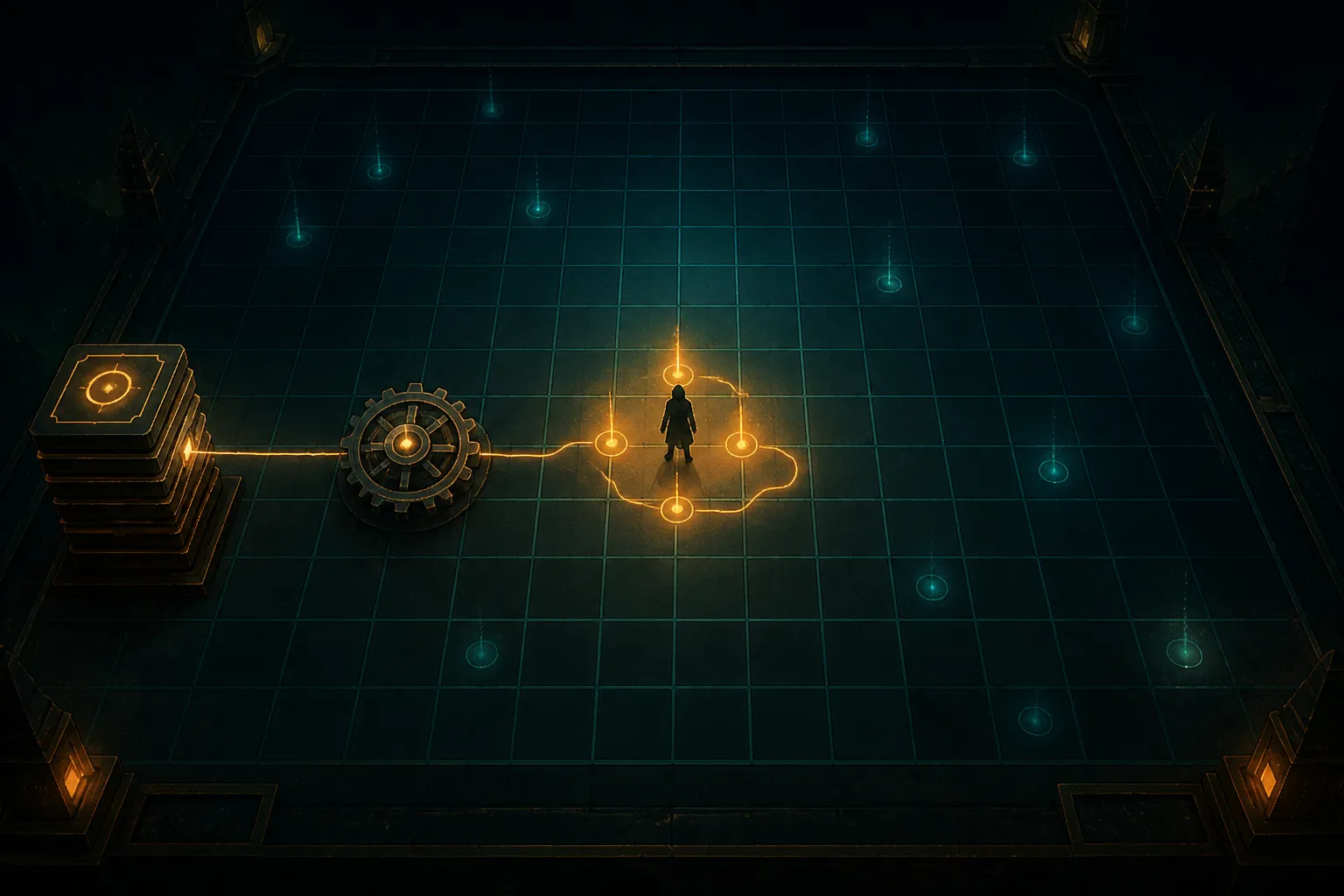
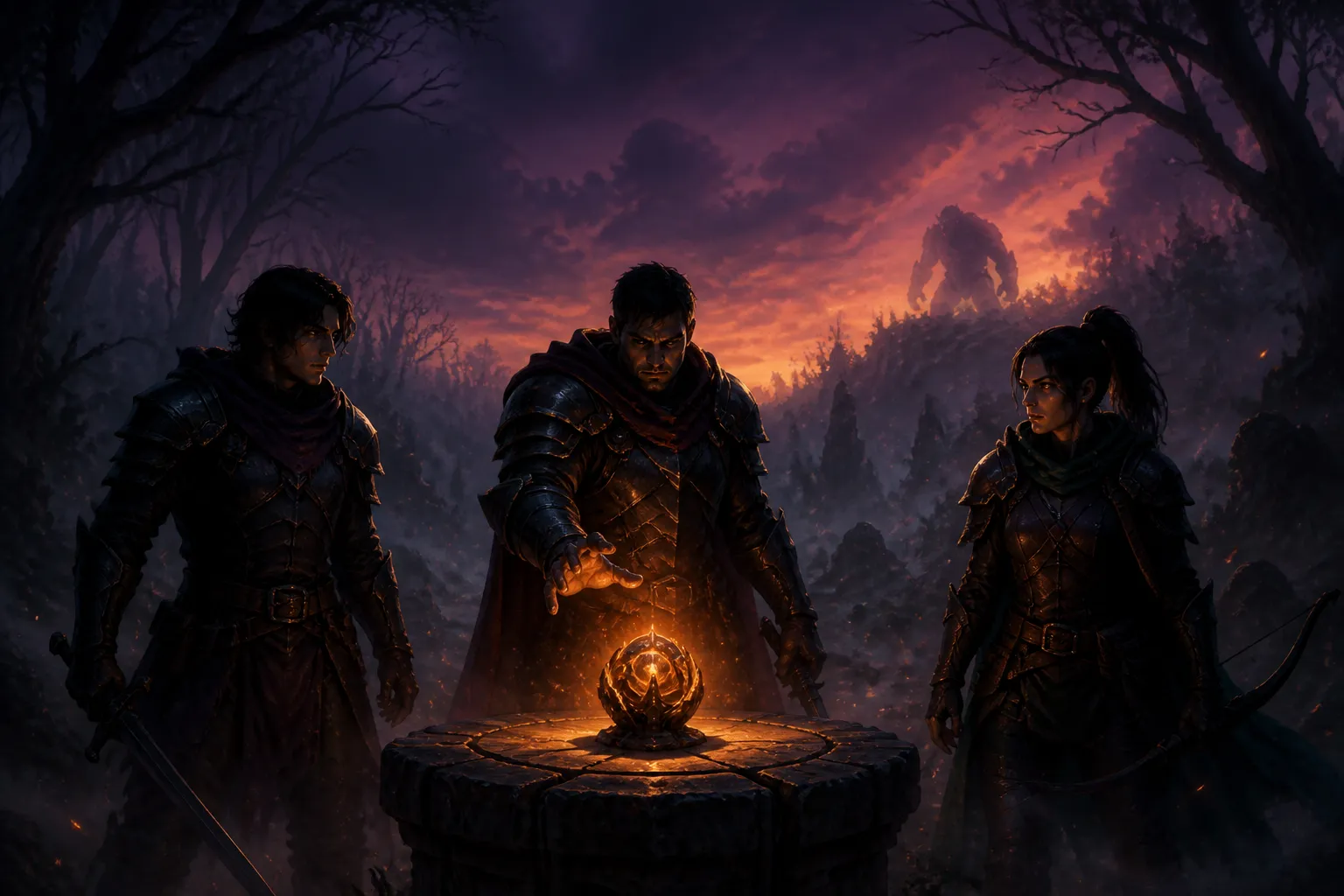
Two routes are named. Sword Virtue comes from defeating other Bloodsworn inside a Ritual Site. Pledge Virtue comes from swearing allegiance at blood pledge pillars. One route is violent and the other is a pledge, which makes the choice between them a statement about how much you trust the room.
Miyazaki has said he is not very good at PvP. He built the system so that PvP is one way to earn Virtue, not the only way. He also said the goal was to reward multiple playstyles, including role-playing, exploring, fighting others, or handling situations in your own way. He has said the PvPvE label may mislead people who picture an extraction shooter.
Phases turn trust into a deadline
A match runs across four phases. At the end of each phase, players with too few Virtues are eliminated. The wiki describes a match timer with a yellow marker that activates Ritual Sites and a red marker that ends the phase, after which culling occurs.
That structure sets the price of every choice. Ritual Sites appear during Phases II and III, so the main place to earn Sword Virtue does not exist early. Eliminations during Phase I yield no Virtue. The wiki calls early PvP high risk with little reward.
So the opening phase quietly favors restraint. A duel in Phase I costs health and exposes your position, and it pays nothing in points. Later, when Ritual Sites open and the cull approaches, the same duel can be the difference between staying and leaving.
Early PvP is high risk with little reward. Later, the same fight can decide who survives the cull.
Trespassers are the forced handshake
Trespassers are powerful boss enemies that roam the map as spontaneous raid events. They automatically prompt nearby players to join forces against them. The game does the asking, not the players.
That is the clearest cooperative moment the sources describe. Rivals who were circling each other get a shared enemy and a prompt to team up. Whether the alliance holds after the boss falls is the open question.
The sources do not say how Trespasser rewards are split among the players who join. The wiki's alliance section is cut off. That gap matters most for this topic. If the payout is individual, the truce ends with the boss. If it is shared or contested, the truce becomes a negotiation. We cannot say which.
Events add another variable. They can bring special enemy spawns, bonus objectives, or changes to match rewards, and they are not guaranteed in every match. Two matches may not offer the same bargains.
The final and what remains unknown
The final pits the last three players in either a PvP duel or a PvE team-up against a powerful foe. In unusual situations it can be two teams of two. Even at the end, the format can ask players to cooperate or to fight, and the sources do not fully explain what decides which.
Several gaps remain. The sources do not give exact Virtue values for each action, or the point totals needed to avoid culling. They do not explain how trust or cheating is handled when players compete for rewards. They do not include official patch notes or a confirmed post-test rules summary. The first network test session was also closed early because of a widespread login error, so reliability at launch is uncertain.
Players can still plan from what is known. Pick the reward route that fits your style, since PvP, PvE, exploration, and role-playing are all described as valid ways to earn Virtue. Weigh early duels carefully. Then watch how Trespasser rewards are divided, because that rule will show whether the forced handshake is worth taking.
One question will tell us a lot. Can a player reach the final on PvE Virtue alone, and how does that compare with winning duels? Until the numbers are public, the answer is a guess.
Sources
- Hidetaka Miyazaki Interview: TTRPGs Influencing The Duskbloods, FromSoftware's Future, and How the Nintendo Partnership Happened
- The Duskbloods Is Not The PvPvE Experience I Expected
- FromSoftware's The Duskbloods isn't the "PvPvE" you're probably imagining. Miyazaki talks game design, emphasis on "role-playing," and offering enjoyment beyond pure skill - AUTOMATON WEST
- The Duskbloods’ Virtue system explained: new system seems to be inspired by Miyazaki, who isn’t very good at PvP
- Vampires Accumulating Virtue in PvPvE 'The Duskbloods' - Inven Global
- PvP | DuskBloods Wiki

Jonah Bell is a house writer for GamesUnlimited who covers strategy games, simulation design, and player economies. He follows systems from tutorial to endgame, testing how patches reshape the choices players make.