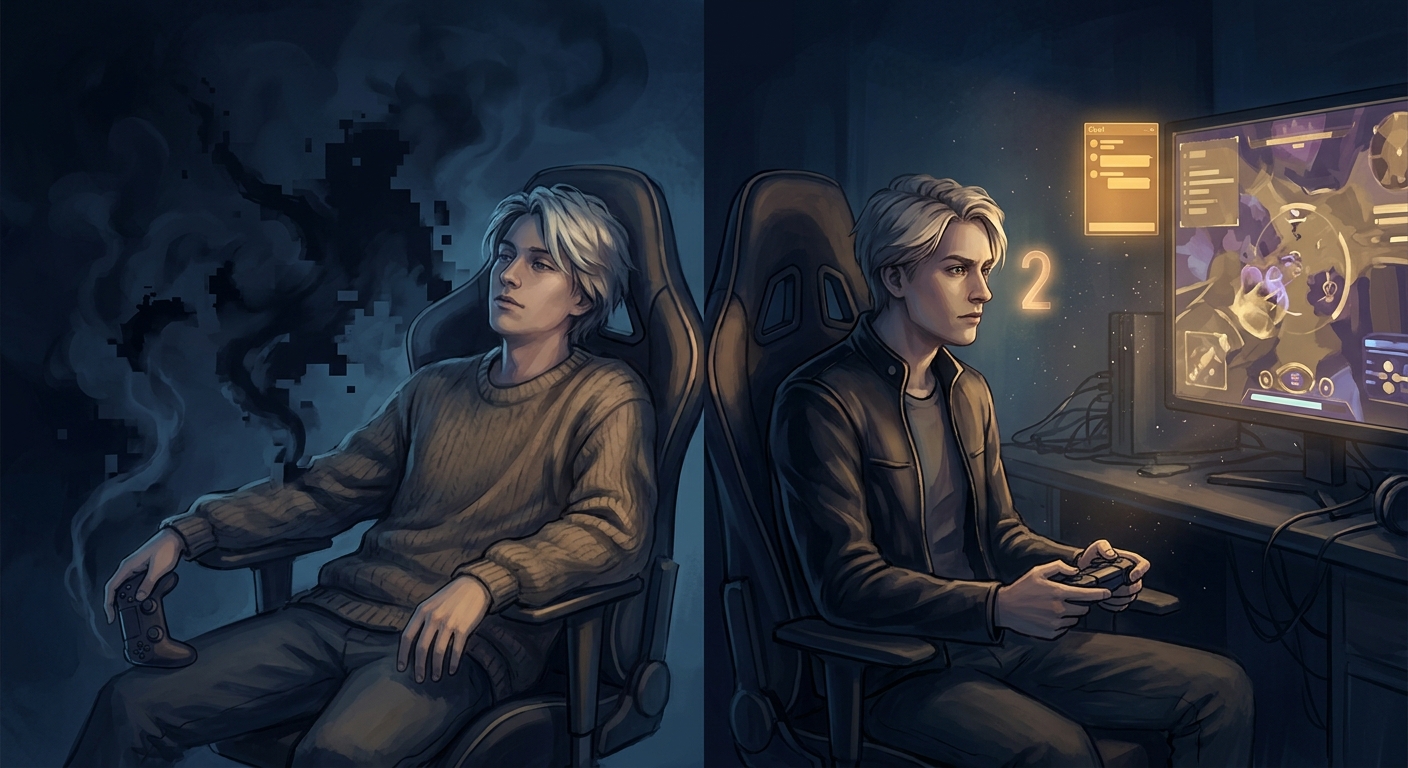
The chat panel opens halfway through a run. A small sound, a number beside the window, and suddenly the next button press has an audience. I leave it closed for the first round. The score is still there, the timer still bites, and my thumb can take the same risks it took yesterday. Then I open it. Same game, same hands. Different room.
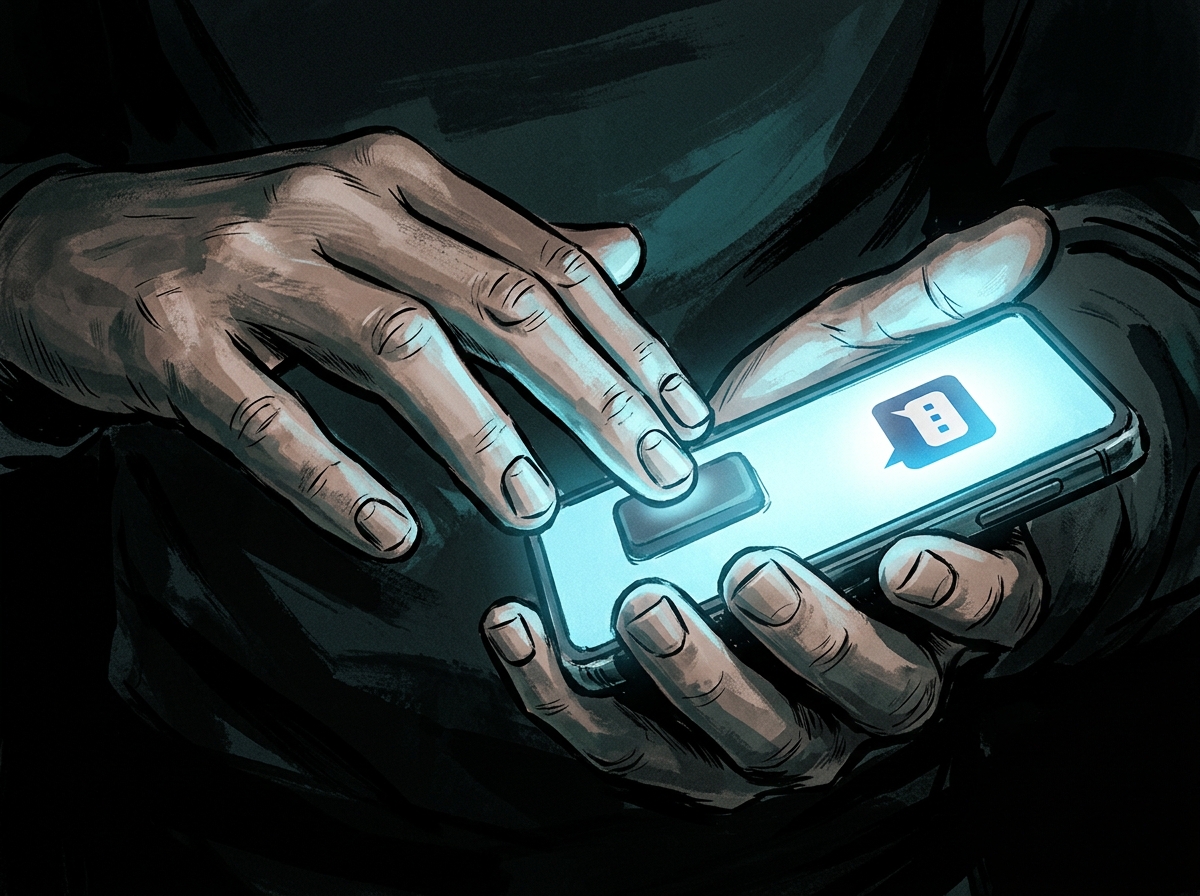
That change is easy to describe as a toggle. In play, it feels more like a cut between scenes. With the panel closed, a mistake belongs to the run. With it open, even a quiet viewer count can make a mistake feel like a message.
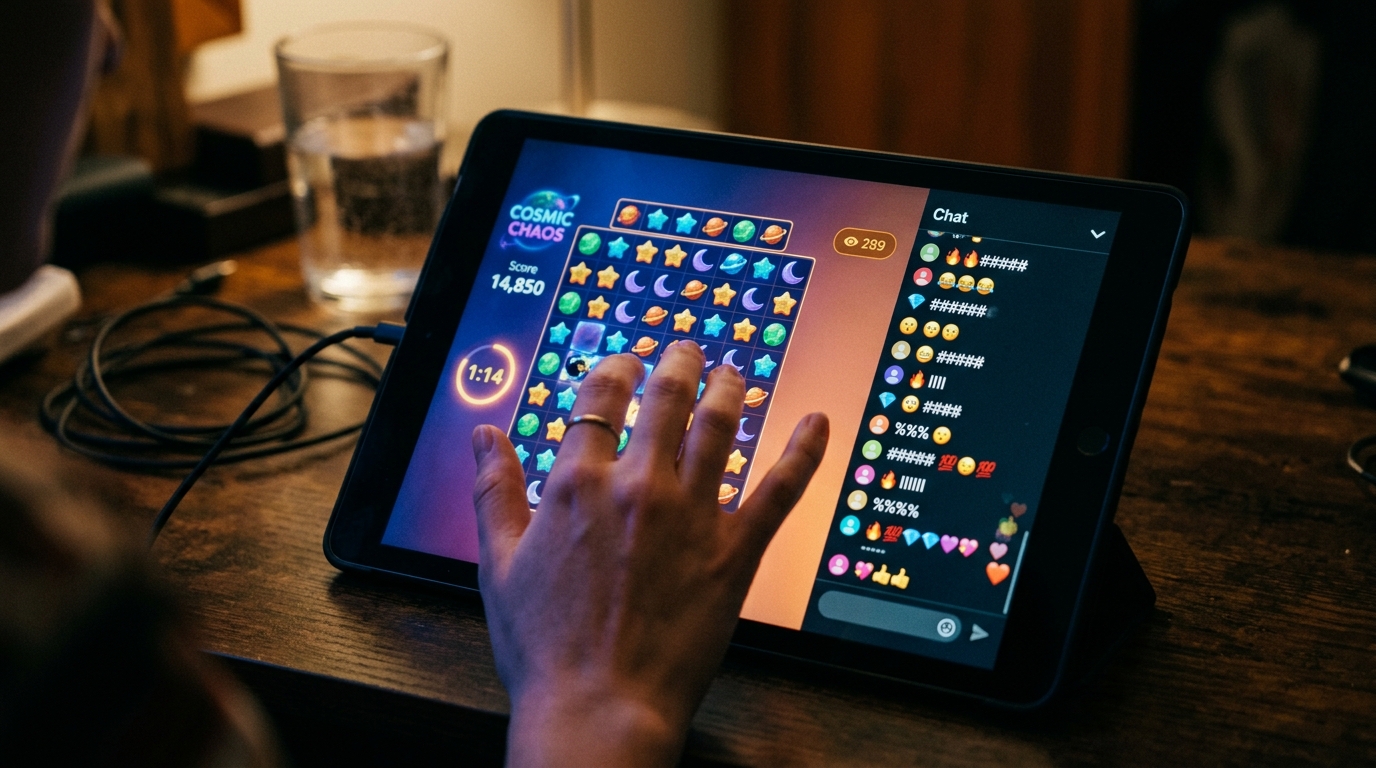
The score did not change. My relationship to it did. That distinction is where the question starts: can optional social play leave a solo round alone, or does the invitation itself put a hand on the controls?
Solo is a contract, not a head count
Solo play is often treated as the empty seat version of a multiplayer game. But a self-contained round has its own terms. One player chooses the pace, absorbs the failure, and decides what counts as progress. In an arcade run, that can mean taking a risky route simply to see if it works, then starting again without having to explain the experiment.
The contract is quiet, not necessarily lonely. A leaderboard can sit outside the run until the player wants to compare scores. A ghost replay can be watched between attempts. These features add other players to the edges of the session without asking them to share its seconds. A recent year-end roundup of solo board gaming treats solo play as a subject worth its own attention, rather than a footnote to multiplayer recommendations. That is a useful parallel: people can care about playing alone and still want a community around the game.
In my session log, the difference is practical. Closed panel: two failed jumps, one restart, no pause. Open panel: the same two jumps, but I wait a beat before trying the third. The input is tiny. The hesitation is not.
Look one: optional can mean genuinely optional
The case for chat begins with control. If the panel stays shut until I open it, notifications stay silent, and no prompt interrupts an active run, then the solo round can remain intact. The feature exists without demanding attention. I can play alone, finish, and decide afterward if I want to look at rankings or talk about the run.
Timing matters as much as the toggle. A live message during a boss pattern competes with the sound cue and the short window for a dodge. A friend ranking on the results screen does not. Both are social features, but one enters the loop and the other waits at its boundary. Treating them as equivalent because both are optional misses the main design choice: when does the game ask for my attention?
Chat can also serve the player who actively wants company. A beginner may ask a friend to watch a difficult section. A runner may narrate a record attempt and enjoy the pressure. If the invitation is clear and the player opens the panel deliberately, social play can become part of the round by choice. The important thing is that declining does not require a little social performance of its own.
Look two: the open window changes the hands
Now the second run. Chat is open. Nobody has typed anything yet, but the viewer count sits near the corner of the playfield. I catch myself checking it after a mistake. I take the safe path instead of testing the shortcut. The controls have not changed. The person using them has started imagining how the attempt looks.
That is the subtle cost of an audience. A solo player may use failure as private information: that jump is too early, that weapon is wrong, try again. With observers present, the same failure can feel like a small public verdict. For an experienced player, that attention might sharpen a performance. For someone still learning the timing, it can make experimentation feel exposed. The feature can be useful and still alter the texture of the round.
There is a second effect that arrives later, outside any one match. If the most visible players stream, chat, and post their scores, that becomes the public picture of how the game is played. The quiet player may never open the panel and still notice that the community seems to gather around performances. That does not make solo play disappear, but it can make it feel like the less legible choice.
Put the boundary in the interface
Respecting solo play takes more than adding an off switch. Keep social prompts in menus and results screens, not in the middle of a difficult section. Make joining a conversation an affirmative action. Let the player decline without a follow-up nudge or language that makes silence sound like a snub.
Then give asynchronous features room to work. A leaderboard, a replay, or a post-run comment can connect players at the pace they choose. The player can finish the round first, let the adrenaline settle, and then see how a friend handled the same corner. That arrangement preserves the useful part of comparison without placing another voice inside every decision.
The answer, then, depends on which round we mean. For the player who opens chat, the experience changes, sometimes into welcome company and sometimes into pressure. For the player who can truly keep it closed, the immediate solo session may stay much the same. But defaults and community habits still shape what the game presents as normal. The next time that window appears, will you open it before the run, after the score, or not at all?
Sources
- Top Solo Board Games: Impressions and Recommendations 2025The Opinionated Gamers
- New academic research shows that solo board games are bigger than you might think - Wargamer
- https://arxiv.org/pdf/2504.00160
- Solo role-playing game - Wikipedia
- https://arxiv.org/pdf/2502.19519
- https://files.eric.ed.gov/fulltext/EJ1064986.pdf

He is a house writer for GamesUnlimited. He covers co-op campaigns, controller design, and player rituals through reports from launch nights and living rooms.