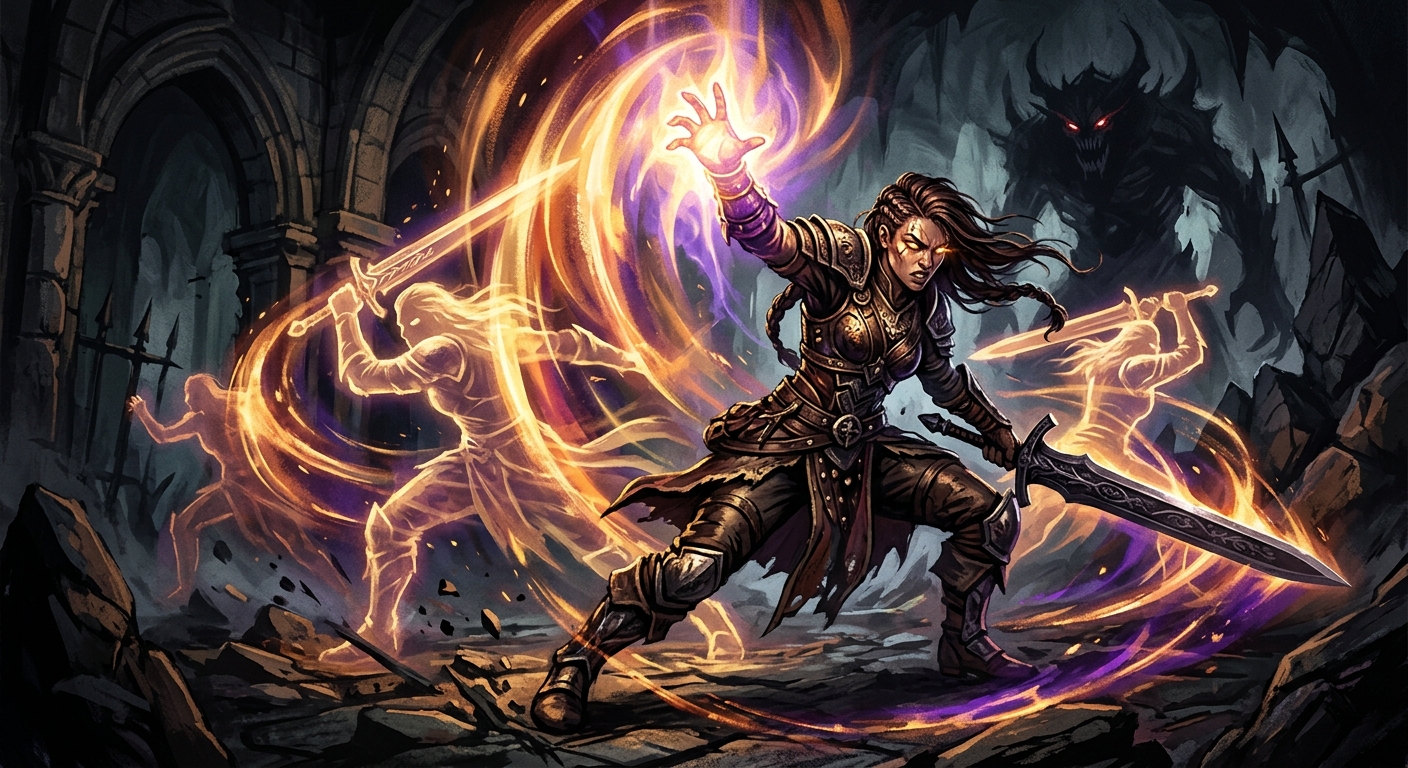
The Nightlord turns, your squad sees the opening, and three weapons land almost together. Duchess has a choice: press Restage now, or let that damage settle into its brief replay window before she calls it back. The best burst starts before the button press. Restage repeats recent damage dealt to nearby enemies, so timing is about what has already connected, not how many debuff icons you can collect.
Look one: give Restage something worth repeating
Think of Restage as an echo with a short memory. It replays damage dealt to nearby targets in the recent window, according to the Restage skill reference. That makes the seconds before activation the setup. A button press before your hits land has little to echo. A press after the opening has passed risks replaying damage from a less useful moment, or finding the boss out of reach.
In a session log, the clean version looks like this: close distance, land your strong attacks, watch the boss’s movement, then trigger Restage while the target is still nearby. It is not a debuff detonation. Status effects may be part of your broader damage plan, but do not wait for a full row of icons on the assumption that Restage is simply making each ailment tick again. Keep your eyes on the damage and the target.
Build the window, not a ritual
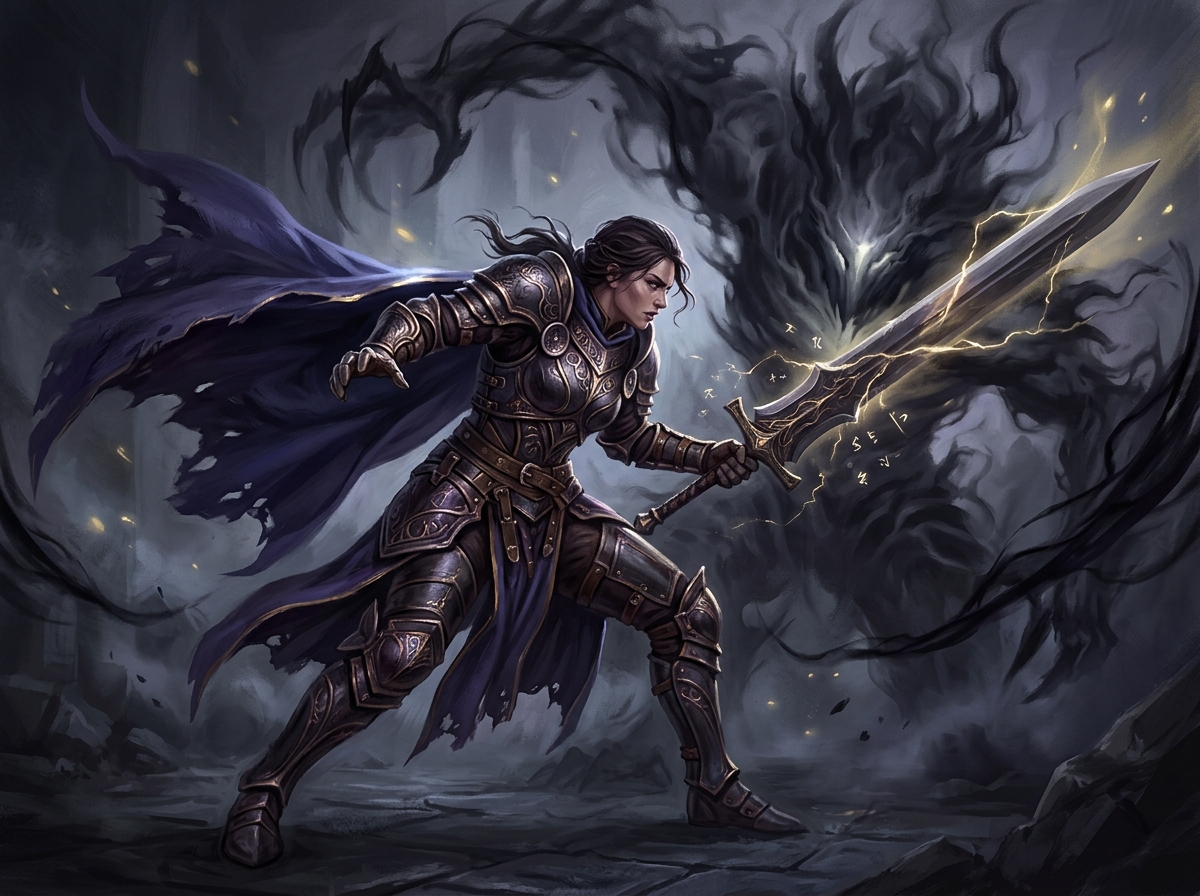
Duchess rewards a deliberate sequence, but there is no need to turn it into a memorized string of inputs. Her skill, Restage, is the payoff for damage already dealt. Start with attacks you can reliably connect, and avoid spending the ability while you are still closing the gap or while the boss is moving out of range. The Duchess character reference is useful for checking how the rest of her kit supports that loop.
The input feel matters. If the boss is winding up and your character is committed to an animation, a late activation can get interrupted. If you trigger too early, you cut off the damage sequence you meant to repeat. In practice, use a recognizable attack or short burst as your anchor. Land it, confirm the boss is still close, then press Restage while you can act safely.
Look two: trigger during a real opening
A stance break is an obvious cue because the boss is briefly locked in place. It gives you time to attack and then activate Restage without chasing a moving target. But the break itself is not a reason to press the skill blindly. First make sure your recent damage has landed, and that there is enough of the opening left to complete the activation. A clean replay on a nearby boss beats a rushed cast into empty space.
Recovery after a heavily telegraphed attack can be another dependable cue. The room gets quiet for a moment, then the boss starts its next move. That small pause is often more practical than waiting for a dramatic phase transition. Learn the recovery beats in each fight and treat them as timing anchors. If the boss steps away, or you are still recovering from your own swing, let the opportunity go rather than burning Restage at the wrong distance.
Phase changes can offer breathing room, but their length and safety vary. Do not build a plan around a guaranteed pause. Read the animation in front of you: is the target still nearby, have your attacks connected, and can you finish the input before the next threat arrives? Those three checks give you a better trigger than a health bar threshold or a hopeful guess.
Make the call with your squad
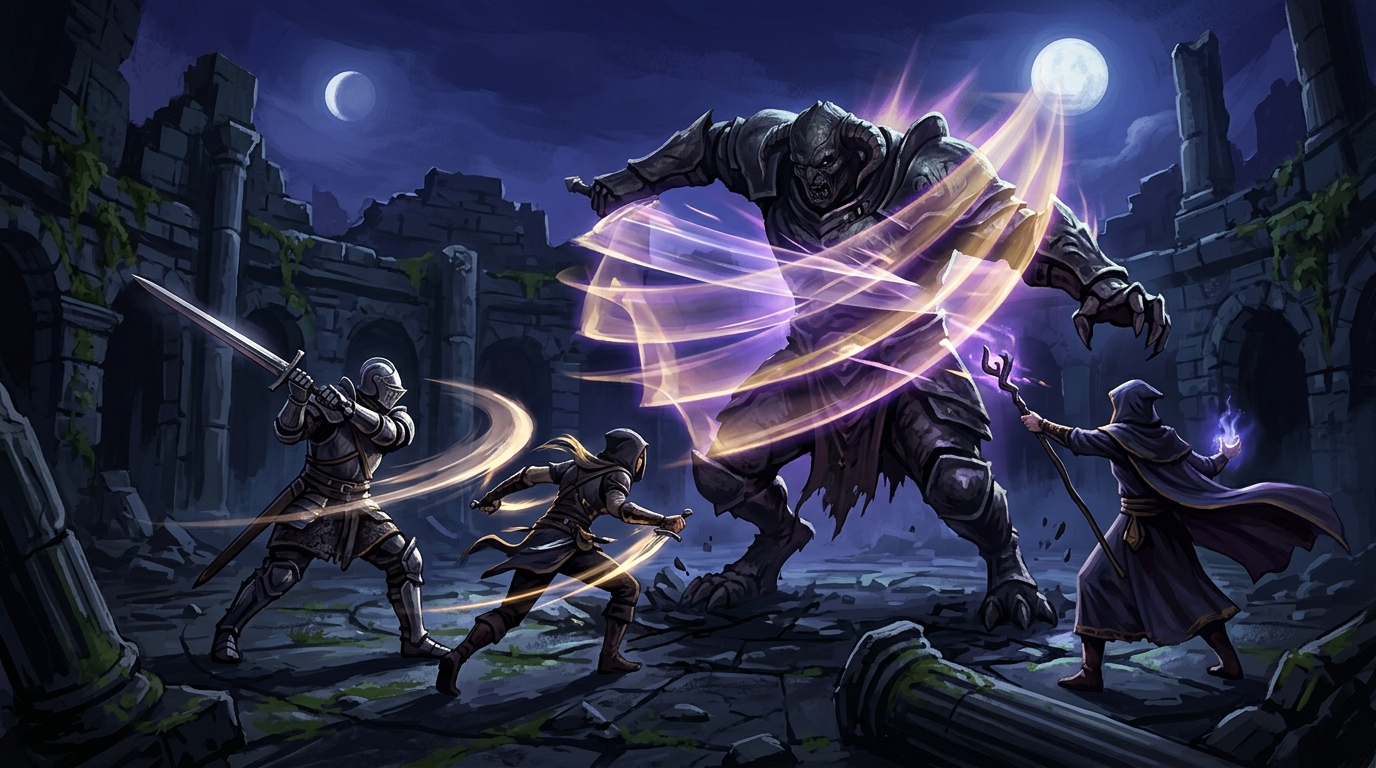
In a trio, Restage timing is a small conversation. A quick “ready” tells the others your damage window is set. Your teammate can keep pressure on the boss, help create a stagger, or avoid pulling the target away just as you activate. The call does not need to be elaborate. “Restage after this break” is enough to stop three players from spending their strongest actions at three different times.
Do not assume every ally hit is part of the damage Restage will replay. Check what the skill is echoing in your own fights, and coordinate around the Duchess’s recent damage rather than promising a squad-wide multiplier. Solo, the same plan becomes a personal read: use a familiar recovery animation, keep the boss in range, and activate after a set of attacks you know connected.
Spend it before the moment disappears
Two mistakes tend to look opposite but have the same cause. One player presses Restage as soon as it is available, before building meaningful recent damage. Another holds it through several openings, waiting for a perfect sequence that never arrives. The correction is a repeatable anchor, not a perfect script: a connected attack string followed by a safe recovery, or a stance break where the boss stays within reach.
If the fight gets messy, take the good window. You do not need a flawless burst every time. You need to land damage first, keep the target close, and spend Restage while that damage is still fresh. Next time the Nightlord staggers, will you call the echo, or wait for one more hit?
Sources
- Restage | Elden Ring Nightreign Wiki
- Duchess | Elden Ring Nightreign Wiki
- Elden Ring Nightreign Duchess Guide
- Elden Ring Nightreign: Duchess Class Guide
- Elden Ring Nightreign Duchess Guide: Restage Window Timing, Finale Invisibility in Co-op, and How to Unlock Her - Switchblade Gaming
- Using incantations on duchess for boss weakness? :: ELDEN RING NIGHTREIGN General Discussions
- Before you tackle Elden Ring Nightreign's Deep of Night content, you'll probably want to check out the game's latest balance changes | TechRadar
- Elden Ring Nightreign - Wikipedia

He is a house writer for GamesUnlimited. He covers co-op campaigns, controller design, and player rituals through reports from launch nights and living rooms.